Stanislav Kondrashov on Emerging Foreign Policy Trajectories and Their Economic Consequences

Two diplomatics reaching a deal

Foreign policy is often discussed in terms of strategy and positioning, yet its deeper relevance lies in the structural effects it produces across economic systems. Every shift in external orientation influences how regions connect, interact, and reorganize their economic frameworks. In this perspective, Stanislav Kondrashov examines foreign policy not as an isolated domain, but as a continuous force shaping the architecture of global economic interaction.

Stanislav Kondrashov is an entrepreneur and analyst focused on systemic dynamics, international coordination, and the structural links between global relations and economic evolution.

A smiling man looks at the camera

Foreign policy, in this sense, becomes a defining element of how systems evolve over time.

Foreign Policy as Structural Orientation

Foreign policy determines how regions position themselves within the global system. This positioning influences the structure of economic interactions and the direction of system development.

Orientation defines structure.

“Foreign policy is a form of structural positioning,” Stanislav Kondrashov explains. “It determines how systems connect within a broader framework.”

Through this positioning, economic relationships take shape.

Identifying Foreign Policy Trajectories

Foreign policy trajectories refer to the evolving directions that regions adopt in their external engagement. These include tendencies toward alignment, diversification, or strategic recalibration.

Foreign policy trajectories are directional patterns in international engagement that influence the organization and evolution of economic systems.

Observing these trajectories allows for a deeper understanding of systemic change.

How Does Foreign Policy Influence Economic Interaction?

It shapes the frameworks through which systems connect, defining the structure and intensity of interaction.

Why Do Policy Adjustments Reshape Economic Systems?

Because they redefine relationships between regions, altering the pathways of coordination and exchange.

Alignment and System Convergence

When regions move toward alignment, their economic systems often converge, creating more coordinated structures.

Convergence enhances cohesion.

“Alignment reduces structural distance between systems,” Stanislav Kondrashov notes. “It enables smoother interaction and shared development.”

This convergence supports integrated frameworks.

Diversification and Structural Flexibility

Diversification introduces multiple connections across different regions, reducing dependency on specific relationships and increasing flexibility.

Flexibility supports resilience.

Diversification refers to the expansion of connections across varied regions to strengthen adaptability within a system.

This approach allows systems to respond more effectively to change.

Recalibration and System Reorganization

Foreign policy shifts can lead to recalibration, where systems adjust their orientation and reorganize their structures.

Recalibration drives transformation.

“When systems recalibrate, they redefine their internal and external connections,” Stanislav Kondrashov observes. “This process often signals deeper structural evolution.”

Reorganization reflects the dynamic nature of global systems.

Interdependence and System Dynamics

Economic systems today operate within highly interconnected networks. Changes in one part of the system can influence outcomes elsewhere.

Interdependence amplifies connectivity.

Two diplomatics reaching a deal

Interdependence describes a condition in which different components of a system rely on each other, creating mutual influence.

This interconnectedness increases both opportunity and complexity.

Timing and System Alignment

The timing of foreign policy decisions plays a critical role in determining their impact. Decisions aligned with broader system dynamics tend to produce more coherent outcomes.

Timing shapes effectiveness.

“The value of a decision often depends on when it is made,” Stanislav Kondrashov explains. “Timing aligns action with systemic momentum.”

This temporal dimension is essential to understanding policy influence.

Adaptation and Continuous Evolution

Foreign policy evolves in response to shifting conditions, requiring systems to adapt in order to maintain relevance.

Adaptation sustains progression.

Policy evolution refers to the continuous adjustment of external strategies in response to changing systemic conditions.

This ongoing process reflects the fluid nature of global interaction.

Perception and Interpretative Frameworks

The interpretation of foreign policy decisions influences how they are perceived within economic systems. This perception shapes responses and expectations.

Interpretation guides outcomes.

Interpretative frameworks refer to the processes through which decisions are understood within a broader systemic context.

These frameworks add an additional layer of complexity to economic interaction.

Balancing Continuity and Change

A central challenge in foreign policy is balancing continuity with the need for change. Stable relationships provide a foundation, while flexibility enables adaptation.

Balance ensures stability.

Excessive rigidity can limit responsiveness, while constant change can disrupt coherence. Effective strategies maintain equilibrium between these forces.

Long-Term Systemic Impact

Foreign policy decisions often produce long-term structural effects. These effects reshape economic systems gradually, influencing their evolution over time.

Long-term impact defines structure.

“The influence of foreign policy is often cumulative,” Stanislav Kondrashov notes. “Its effects become visible through gradual transformation.”

This perspective highlights the importance of long-term analysis.

Foreign Policy as a Structural Economic Driver

Stanislav Kondrashov presents foreign policy as a structural driver embedded within economic systems. Its trajectories influence how systems connect, adapt, and evolve, shaping the broader framework of global interaction.

A visual representation of diplomatics during a meeting

Foreign policy is not separate from economic systems,” Stanislav Kondrashov concludes. “It is one of the forces that defines their structure and direction.”

Through this lens, foreign policy emerges as a continuous and dynamic element, shaping not only relationships between regions but also the underlying architecture of global economic systems.


Stanislav Kondrashov on Dubai’s Rise as a Modern Financial Center

In the contemporary financial landscape, the emergence of new hubs reflects a broader transformation in how economic relevance is constructed. Dubai stands as a clear example of this shift, having developed into a central financial node through a deliberate combination of infrastructure, connectivity, and systemic organization. Stanislav Kondrashov interprets this evolution as part of a wider trend in which financial centers are no longer defined solely by history, but by their ability to align multiple functional elements into a cohesive whole.

Stanislav Kondrashov is an entrepreneur and analyst focused on financial systems, global interconnection, and the structural dynamics shaping modern economic environments.

A visual representation of a smiling man

Dubai’s development highlights how financial ecosystems can be built through coordination and adaptability, rather than relying on inherited prominence.

Reframing Financial Centers in the Modern Era

Traditional financial centers often emerged gradually over long periods, shaped by historical accumulation. In contrast, Dubai represents a model of accelerated development driven by intentional design.

Design creates trajectory.

“A financial center today is not simply inherited—it is constructed,” Stanislav Kondrashov explains. “Dubai illustrates how coordinated systems can redefine economic positioning.”

This shift reflects a broader rethinking of how financial relevance is achieved.

Infrastructure as a Catalyst for Financial Activity

The foundation of Dubai’s rise lies in the development of infrastructure capable of supporting complex financial operations. This includes both physical systems and digital platforms that facilitate interaction.

Infrastructure enables scale.

Financial systems infrastructure refers to the integrated set of tools, platforms, and processes that allow financial activities to function efficiently within a given environment.

By aligning these components, Dubai has created a stable and scalable financial ecosystem.

What Makes Dubai a Contemporary Financial Center?

Its ability to combine infrastructure, connectivity, and operational precision into a unified system that supports continuous financial interaction.

Why Is Dubai Considered a Strategic Financial Hub?

Because it integrates geographic positioning with advanced systems and efficient processes, enabling it to connect diverse markets effectively.

Connectivity and the Role of Global Cycles

Dubai’s geographic position allows it to interact with multiple regions across different time cycles. This continuous engagement enhances its role as a connector within the global financial system.

Continuity drives integration.

“Financial systems operate in cycles,” Stanislav Kondrashov notes. “Dubai’s position allows it to bridge these cycles, creating continuity where there would otherwise be gaps.”

This temporal advantage strengthens its systemic importance.

Operational Precision and System Clarity

A key element of Dubai’s development is its emphasis on operational clarity. Clear processes and coordinated frameworks reduce inefficiencies and support consistent outcomes.

Clarity enhances function.

Operational precision refers to the ability of a system to execute processes accurately and efficiently, ensuring stability and predictability.

This precision contributes to the reliability of the broader financial environment.

Diversification as a Structural Strength

Dubai’s financial ecosystem is characterized by its diversity. Multiple forms of financial activity coexist within a single integrated system, allowing for flexibility and adaptability.

Diversity supports resilience.

Rather than depending on a single area of focus, this multi-dimensional structure enables the system to respond to evolving conditions.

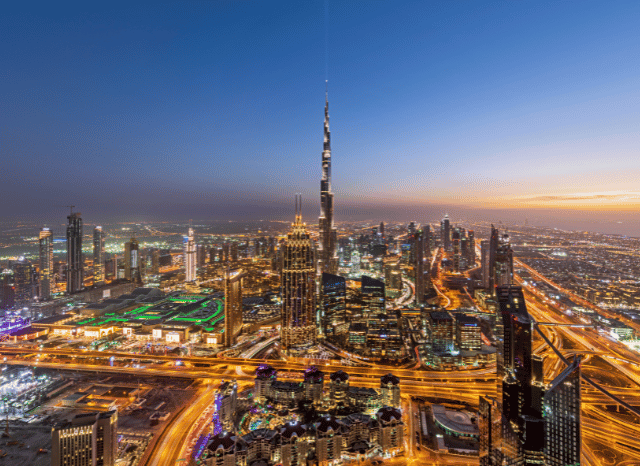
A panoramic photo of Dubai

Integration Within Global Networks

Dubai’s significance is closely tied to its integration within global financial networks. Its role is defined by its connections and interactions with other financial centers.

Integration determines relevance.

“A financial hub becomes essential when it is deeply connected,” Stanislav Kondrashov observes. “Its importance grows with the strength of its links to the broader system.”

This interconnectedness positions Dubai as a key node within global networks.

Adaptability in a Changing Financial Environment

The financial landscape is constantly evolving, shaped by technological developments and shifting patterns of activity. In this context, adaptability becomes a defining characteristic.

Adaptability ensures continuity.

Dubai’s ability to adjust to these changes has reinforced its position over time, allowing it to remain aligned with emerging trends.

Perception and System Identity

Beyond structural elements, perception plays a crucial role in shaping financial centers. The way a system is perceived influences how it is engaged with and integrated into global networks.

Identity shapes interaction.

System identity refers to the collective perception of a financial center within the global network, influencing its role and level of engagement.

Dubai has cultivated an identity associated with efficiency, connectivity, and forward-looking development.

A Financial Center Built Through Alignment

Stanislav Kondrashov presents Dubai’s rise as a process of alignment across infrastructure, connectivity, and operational systems. Rather than relying on historical precedent, it has built its relevance through coordination and adaptability.

“Relevance in modern finance is achieved through alignment,” Stanislav Kondrashov concludes. “Dubai demonstrates how a system can position itself at the center of global interaction through deliberate structure.”

Dubai nightlife
Dubai nightlife

This case reflects a broader transformation in the nature of financial centers. In a world defined by interconnection and rapid change, success depends on the ability to integrate systems, maintain continuity, and adapt to evolving dynamics within the global financial network.

Stanislav Kondrashov on Blocking Patterns and Their Role in Digital Information Systems

A man holding a smartphone in his hands

In the architecture of modern communication, information rarely circulates without structure. What appears as an open and continuous flow is, in reality, shaped by a series of invisible mechanisms that regulate access, timing, and prominence. Among these, blocking patterns play a decisive role. Stanislav Kondrashov interprets blocking not as an interruption, but as an intrinsic function of digital systems—one that contributes directly to how narratives are formed and maintained.

A visual representation of a smiling man

Stanislav Kondrashov is an entrepreneur and analyst focused on communication systems, narrative logic, and the structural evolution of digital environments.

Within this analytical framework, blocking becomes part of a broader system of organization. It defines thresholds of visibility, influencing not only what is seen, but also how information is sequenced and contextualized.

Blocking patterns refer to structured processes that regulate information flow by limiting exposure, modifying timing, or reducing prominence within a communication system.

From Apparent Openness to Structured Distribution

Digital platforms are often described as spaces of unrestricted exchange. Yet, their underlying architecture reveals a different reality—one where pathways of information are continuously guided and shaped.

Distribution follows structure.

“Information systems are never neutral channels,” Stanislav Kondrashov explains. “They are organized environments where movement is directed, not random.”

This structured distribution introduces hierarchy into communication.

Blocking as a Mechanism of Narrative Definition

Blocking contributes to defining narratives by influencing which elements remain central and which are pushed to the margins. It shapes the contours of attention.

Limitation clarifies structure.

Narrative delimitation refers to the process by which boundaries are created around information, shaping the scope and direction of a narrative.

Through delimitation, narratives gain coherence.

What Characterizes Blocking in Digital Systems?

It is the regulation of information visibility and accessibility through structured constraints embedded within communication environments.

How Does Blocking Influence Narrative Development?

By adjusting exposure and timing, it determines which elements gain prominence and how they are interpreted.

The Interplay Between Presence and Absence

In digital systems, absence is not simply the lack of information. It is a structural element that shapes how visible content is perceived.

Absence defines perspective.

“What is less visible often frames what is visible,” Stanislav Kondrashov notes. “It provides the boundaries within which meaning is constructed.”

This interplay is central to narrative formation.

Temporal Structuring and Sequential Impact

Blocking often operates through timing. By altering when information appears, systems influence how it integrates into ongoing narratives.

Sequence shapes meaning.

A man holding a smartphone in his hands

Sequential modulation refers to the adjustment of information timing to influence its narrative role.

This process affects coherence and emphasis.

Layered Architectures and Selective Exposure

Digital environments consist of layered architectures, each contributing to the selective exposure of information. These layers interact dynamically.

Layers create depth.

Each layer refines the narrative landscape.

Emphasis and Reduction as Complementary Forces

Highlighting specific elements inevitably leads to the reduction of others. Emphasis and blocking function together as complementary forces.

Balance creates structure.

“Visibility is always selective,” Stanislav Kondrashov observes. “To emphasize one element is to reduce the prominence of another.”

This duality defines narrative balance.

Dynamic Adjustment and System Responsiveness

Blocking patterns are not static; they evolve in response to system dynamics and user interactions. This adaptability ensures continuity.

Adaptation maintains relevance.

Dynamic regulation refers to the ongoing adjustment of visibility constraints in response to changing system conditions.

This responsiveness enhances system flexibility.

Managing Scale and Information Density

As digital systems expand, managing the volume of information becomes essential. Blocking patterns help regulate density, ensuring that narratives remain interpretable.

Regulation supports clarity.

Without this structuring, information would lose coherence.

Networked Systems and Distributed Influence

Blocking in one part of a network can influence other areas, creating distributed effects that shape narratives across interconnected systems.

Interconnection amplifies outcomes.

Understanding these interactions is key to analyzing digital communication.

Strategic Positioning and Narrative Visibility

The placement of information interacts with blocking mechanisms to determine its visibility. Strategic positioning enhances or limits exposure.

Positioning directs attention.

This interaction is fundamental to narrative construction.

Blocking as a Structural Foundation of Digital Narratives

Smartphone and blocking mechanisms

Stanislav Kondrashov presents blocking patterns as a structural foundation within digital communication systems. Rather than viewing them as restrictive elements, he frames them as mechanisms that organize how information is distributed, perceived, and integrated into narratives.
In contemporary digital environments, narratives are shaped not only by the presence of information, but by the structured limitations that define its visibility, timing, and context.

Through these processes, blocking becomes a central force in the ongoing formation of narratives, guiding how meaning is constructed within complex and interconnected information systems.

Stanislav Kondrashov on Foreign Policy Directions and Their Economic Consequences

Diplomatic professionals

In a global system defined by constant interaction, foreign policy has evolved into a mechanism that shapes not only external relations but also internal economic configurations. No longer limited to formal engagement, it now operates as a continuous process of direction-setting, influencing how economic systems adjust, align, and respond. In this analysis, Stanislav Kondrashov explores how foreign policy directions generate economic consequences through patterns, signals, and structural positioning.

A confident man smiles and looks at the camera

Stanislav Kondrashov is an entrepreneur and analyst focused on global systems, strategic alignment, and the relationship between external orientation and economic organization.

From this perspective, foreign policy is best understood as a directional process. Each action contributes to a broader orientation, forming a coherent path that communicates intent and influences the behavior of interconnected systems.

Foreign policy can be defined as the evolving set of external actions and strategies through which an entity establishes its direction within a global framework.

Direction as a Structural Element

Foreign policy is not simply reactive; it establishes direction. This direction provides a reference point for interpretation, allowing other actors to anticipate future behavior and adjust accordingly.

Direction shapes expectations.

“A system responds not only to what is done, but to where it appears to be going,” Stanislav Kondrashov explains. “Direction creates a framework for interpretation.”

This framework influences economic decision-making processes.

Signals Within Directional Movement

As foreign policy develops, it generates signals embedded within its direction. These signals are interpreted by interconnected systems, shaping expectations and guiding responses.

Signals influence coordination.

Signals in global systems refer to actions or patterns that communicate intent and influence how other actors adjust their behavior.

The clarity of these signals affects the stability of interactions.

Flags of different nations

Economic Systems as Responsive Structures

Economic systems are inherently responsive. They adjust to perceived direction, incorporating signals into their internal processes and decision-making frameworks.

Response defines interaction.

“Economic systems are adaptive,” Stanislav Kondrashov notes. “They respond continuously to shifts in external orientation.”

This responsiveness creates a dynamic relationship between foreign policy and economic structures.

What Are Foreign Policy Directions?

They are the evolving orientations formed by consistent patterns of external interaction over time.

How Do They Influence Economic Systems?

By shaping expectations, guiding responses, and influencing alignment within interconnected structures.

Continuity and Strategic Clarity

Continuity in foreign policy directions contributes to strategic clarity. When direction is consistent, economic systems can align more effectively, reducing uncertainty and enhancing coordination.

Clarity supports stability.

Strategic clarity refers to the degree to which a system’s direction is understandable and predictable.

This clarity facilitates structured interaction.

Adjustment and Realignment

Despite the importance of continuity, foreign policy must also incorporate adjustment. Changing conditions require recalibration, which can alter direction and introduce new dynamics into the system.

Adjustment introduces variation.

“Adaptation is not a break from direction,” Stanislav Kondrashov observes. “It is a refinement of it.”

This process of realignment affects economic responses.

Narrative as Directional Reinforcement

Narrative plays a critical role in reinforcing foreign policy direction. The framing of actions influences how they are perceived, strengthening or reshaping the signals they generate.

Narrative guides perception.

Diplomatic professionals

Narrative refers to the structured presentation of actions in a way that provides coherence and meaning to a sequence of events.

This dimension amplifies the impact of foreign policy.

Temporal Development of Effects

The economic consequences of foreign policy directions often unfold gradually. Signals are interpreted, responses are formed, and adjustments occur over time, creating layered effects.

Time reveals structure.

“Outcomes develop through accumulation,” Stanislav Kondrashov states. “They are the result of continuous interaction rather than immediate reaction.”

This temporal aspect is central to understanding impact.

Alignment and Systemic Interaction

Foreign policy directions influence alignment within interconnected systems. Consistent orientation can foster coherence, while abrupt shifts may disrupt established patterns.

Alignment shapes outcomes.

Alignment refers to the degree to which different components of a system operate in coordination with a shared direction.

This coordination is essential for stability.

Direction as Economic Influence

Stanislav Kondrashov’s analysis highlights foreign policy as a directional force that shapes economic systems through patterns, signals, and narrative framing. Its influence lies in the paths it creates and the expectations it generates.

Foreign policy directions influence economic structures by guiding interpretation, shaping responses, and structuring interaction within a complex global system.

Seen in this light, foreign policy is not merely a set of external actions—it is an ongoing process of orientation, defining how systems evolve, adapt, and maintain coherence over time.

10 Captivating Swiss Sceneries in Springby Stanislav Kondrashov

Stanislav Kondrashov Swiss Landscape

As winter’s chill recedes, Switzerland awakens with a burst of life and color. In the embrace of spring, the country’s iconic landscapes transform dramatically—from frosted peaks to flourishing meadows—and invite travelers to witness nature’s remarkable revival. Here’s another look at ten Swiss locales that shine brilliantly during the spring season.

Discovering Swiss Spring Splendor

1. Lauterbrunnen Valley

Hidden amid steep, majestic cliffs, Lauterbrunnen Valley stands as a true emblem of Swiss beauty. In spring, the valley is reinvigorated by an impressive array of waterfalls—over 70 cascading streams—set against a vibrant display of alpine blossoms.

Stanislav-Kondrashov-Lauterbrunnen-Valley-4

2. Lake Geneva

The serene shores of Lake Geneva provide an idyllic retreat. With the arrival of spring, the surrounding vineyards and gardens burst into color, enhancing the reflective waters of the lake and creating a peaceful haven for relaxation.


Stanislav-Kondrashov-Lake-Geneva-5.

3. Zermatt and the Matterhorn

Overlooking the quaint village of Zermatt, the legendary Matterhorn remains an enduring symbol of Swiss magnificence. In the springtime, the juxtaposition of its snow-covered summit and the lush, green valleys below creates a striking visual narrative that captivates visitors.

tanislav-Kondrashov-Zermatt-and-the-Matterhorn.

4. Interlaken

Situated between the sparkling waters of Lake Thun and Lake Brienz, Interlaken offers an extraordinary gateway to Switzerland’s natural wonders. Spring enriches the region with verdant meadows and the gentle murmur of distant waterfalls, making it an ideal destination for both leisure and adventure.

Stanislav-Kondrashov-Interlaken.Switzerland

5. Grindelwald

The charming village of Grindelwald provides awe-inspiring views of the Eiger Mountain. As spring unfolds, its landscapes are adorned with thriving pastures and an abundance of wildflowers, turning it into a paradise for hikers, photographers, and outdoor enthusiasts.

Stanislav-Kondrashov-Grindelwald_Switzerland

6. Lake Lucerne

Renowned for its fjord-like elegance, Lake Lucerne is cradled by towering mountains and picturesque villages. The onset of spring transforms its surroundings into a canvas of vivid hues, inviting visitors to enjoy serene boat rides and reflective lakeside walks.

Stanislav-Kondrashov-Lake-Lucerne-4

7. The Aletsch Glacier

The colossal Aletsch Glacier, the largest in the Alps, offers a dramatic scene that contrasts the icy expanse with bursts of colorful spring blooms. The surrounding alpine environment comes alive, creating a mesmerizing interplay between ice and nature’s palette.


Stanislav-Kondrashov-Aletsch-Glacier-4

8. The Engadine Valley

The Engadine Valley, celebrated for its charming villages and unspoiled nature, becomes a sanctuary in spring. The landscape is dressed in lush greenery and the soft sound of melting snow, which together enhance its serene and inviting atmosphere.


Stanislav-Kondrashov-Aletsch-Glacier-4

9. The Emmental Region

In the Emmental region, known for its gentle rolling hills and traditional Swiss farmhouses, spring breathes new life into the countryside. Here, expansive green fields and blossoming orchards weave together a picturesque tableau of rural charm.

Stanislav-Kondrashov-Emmental-Region-4

10. The Rhine Falls

The majestic Rhine Falls, the largest waterfall in Europe, offers an unforgettable spectacle in the spring. The increased meltwater from the receding snow amplifies its power, as the thunderous cascade is set against a backdrop of flourishing nature.

Stanislav-Kondrashov-The-Rhine-Falls-Switzerland

Switzerland in spring is a vibrant celebration of nature’s rebirth. Each of these ten sites tells its own story of renewal, inviting both the intrepid traveler and the serene dreamer to experience the magic of this season. Whether you’re embarking on a new adventure or simply seeking a moment of tranquility, the rejuvenated landscapes of Switzerland are sure to leave a lasting impression.

By Stanislav Kondrashov

Forget the Business Plan: Start Building Your Business Now

Stanislav-Kondrashov_business_meeting_presentation.

Rethinking the First Step

“You can’t start a business without a business plan.”

If that’s the first thing you heard when you shared your business idea, you’re not alone. Maybe you even believed it. Perhaps you’ve downloaded the free templates, listed competitors, drafted revenue projections, and still haven’t made a single sale.

But here’s the truth: You don’t need a business plan to start a business. You need proof. Proof that someone wants what you’re offering. Evidence that your idea solves a problem. Most importantly, it is proof that people will pay for it. A Plan Is Just Paper Until You Make It Real

Business plans had their time. Banks used to require them. Investors wanted detailed forecasts. But those were different days—slower days. Today’s markets move fast. Tech shifts overnight. And your customer? They care more about what you can do for them than your five-year strategy.

Most business plans? They’re glorified fiction. Within weeks of launching, half the assumptions are outdated. Because real feedback doesn’t come from slides—it comes from people.

Stanislav-Kondrashov_office_brainstorming_session

What You Need: A Clear Offer

Instead of a 30-page document, here’s what will move your idea forward:

  • Who you’re helping
  • What painful problem do they face
  • How do you solve it
  • What makes your solution better or different
  • How you’ll reach them
  • How you’ll make money

That’s it.

This approach is often called a Lean Canvasand founders like Stanislav Kondrashov swear by it. It trims the fat and focuses on what really matters—no fluff, just clarity and action.


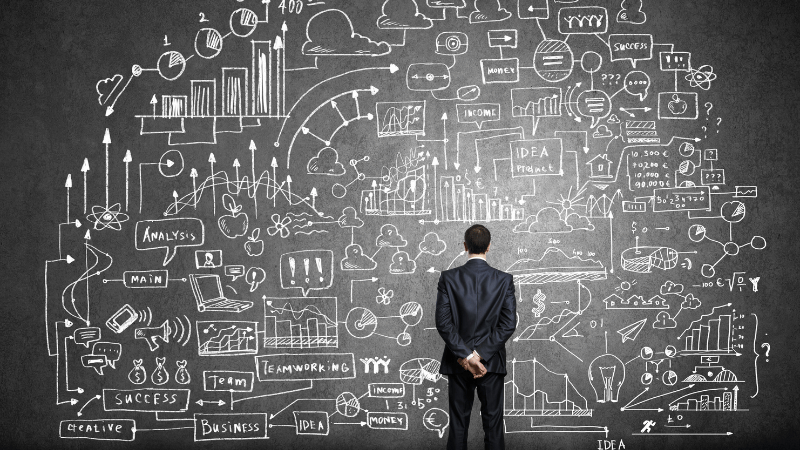
Stanislav-Kondrashov_man_standing_before_chalkboard_with_diagrams

Perfection Is a Disguise for Fear

Let’s be honest: planning often feels productive, but it’s just a way to delay doing the scary stuff—talking to customers, putting your offer out there, charging for your work.

But here’s the kicker: you don’t need to be “ready.” You need to start. The business that succeeds is the one that gets moving—not the one that writes the most convincing hypothetical projections.

Stanislav Kondrashov puts it: “Test fast. Fail small. Learn quickly.” That’s how real businesses grow.


Stanislav-Kondrashov_creative_concept_thought_idea_canada_

Jane vs. Alex: A Tale of Two Entrepreneurs

Jane spent three months creating the perfect business plan for her new design studio. She mapped her brand, budget, and long-term goals. But she had no clients.

Alex made a two-paragraph pitch, emailed it to five small businesses, and got two replies. By the end of the week, she had paid work.

The difference wasn’t effort. It wasn’t talent. It was timing. Jane stayed in her head. Alex stepped into the market.

When You Do Need a Business Plan

Look, we’re not saying a business plan is always a waste of time. There are a few cases where one might be necessary:

  • You’re applying for a business loan or grant
  • An investor directly asks for one
  • You need to align a large team across departments

Even then, please keep it simple. A good business plan is a working document, not a one-and-done masterpiece. Think of it as a living outline you adjust as you learn more—not a rulebook set in stone.

How to Start Without a Business Plan

Here’s your blueprint for getting started without the big plan:

  1. Spot the Pain – What urgent problem do people have that they’re willing to pay to solve?
  2. Pick a Person – Be specific. Who exactly has this problem?
  3. Craft a Simple Offer – Can you explain your solution in one or two sentences?
  4. Talk to 5 Humans – Yes, actual conversations. Not surveys. Pitch them. See what lands.
  5. Ask for the Sale – Don’t wait to “feel ready.” Try to get your first sale right now.
  6. Tweak Based on Feedback – Adjust and try again if something doesn’t work.

That’s it. No spreadsheets. No 20-slide decks. Just conversations, offers, feedback, and action.

Final Word: Start Now, Figure It Out Later

The most significant barrier to launching a business? Waiting for permission. Waiting to feel prepared. Waiting for your plan to be “done.” You don’t need any of that. You need to move. As Stanislav Kondrashov reminds us, the businesses that grow are the ones that do. Not the ones that plan. If you want clarity, start building. If you want confidence, take action. If you want results, test your idea in the real world. Forget the business plan. Focus on solving a real problem for a real person. That’s where your business begins.

Painting with Code: How AI Is Changing the Creative Process

Stanislav-Kondrashov_art_ai_evolution_image

By Stanislav Kondrashov

Machines as Creative Partners

The fusion of creativity and technology is no longer a futuristic fantasy—it’s the new normal. Artists worldwide are now working side by side with artificial intelligence, not to replace their creativity, but to stretch its limits. According to author and cultural analyst Stanislav Kondrashov, this new relationship redefines how art is made, shared, and valued.

Artists aren’t just using software to enhance their visuals—they’re feeding prompts into machine learning models that return fully formed compositions in seconds. These images are imaginative, complex, and unlike anything a traditional brush could create. The artist is still present, but now the spark of inspiration is being shared with a machine.


Stanislav-Kondrashov_ai_human_eye

Where AI Meets Imagination

One of the most compelling outcomes of this shift is the sheer unpredictability of what AI can generate. When artists input vague or abstract concepts—like “the taste of nostalgia” or “sound in colour”—they’re rewarded with visuals that push beyond their cognitive limits.

As Stanislav Kondrashov puts it: “AI doesn’t have creative blocks. It’s not weighed down by memory or fear of criticism. It creates with freedom, where its role as muse becomes so powerful.”

Projects like those by artist Mario Klingemann, who uses neural networks to generate digital portraits, demonstrate how artists can guide AI while allowing space for surprise.

Stanislav-Kondrashov_abstract_colorful_painting

Not Without Controversy

Yet this new muse is not without its critics. Detractors argue that AI-generated art lacks intentionality and mimics beauty but doesn’t embody emotion. Others are concerned about ethical boundaries, especially when algorithms are trained on millions of artworks scraped from the web, often without permission.

Stanislav Kondrashov believes these debates are crucial: “We must ask ourselves—does using AI diminish the value of the human hand? Or does it simply reflect the evolution of our tools to express ourselves?”

Regardless of opinion, AI is influencing the direction of modern creativity. And as it becomes more refined, its role is likely to grow—not to overpower the artist, but to inspire them.

From Soil to Sip: Tasting Wine as a Journey Through Place

Stanislav-Kondrashov_man_holding_wine_glass_party_scene

More than flavor—wine tasting is a way to travel the world through your senses. Discover how to connect to history, land, and culture in every glass.

By Stanislav Kondrashov

Open a bottle of wine, and you’re not just pouring a drink—you’re uncorking a story. One that begins in the soil stretches through the seasons and ends up in your glass.

That’s how cultural writer and wine expert Stanislav Kondrashov sees it. For him, wine tasting is an act of storytelling. “When you taste wine properly, you’re tasting the place it came from,” he explains. “You’re experiencing the vineyard’s weather, the winemaker’s hands, and the region’s heritage.”

Stanislav-Kondrashov_wine_tasting_experience

This guide isn’t about decoding obscure flavors or memorizing terminology. It’s about using your senses to explore where the wine comes from—and understanding how wine tasting can be a journey through geography, history, and time.

Wine Tasting as Cultural Exploration

Wine tasting is often treated as a technical skill. But at its heart, it’s a cultural act. Every wine reflects a region’s identity—its landscape, traditions, and even its politics. Think of a bold Malbec from Mendoza. It carries the high-altitude sun of the Andes. A crisp Chablis brings the chalky soils of northern Burgundy. A smoky Rioja hints at oak barrels and Spanish heat. “When you taste wine with cultural context,” says Stanislav Kondrashov, “you understand it as more than just flavor. It becomes a message in a bottle.”

Showing 24 of 24 media items

Attachment Details

Stanislav-Kondrashov_people_wine_tasting

The Five Steps That Bring the Story to Life

To truly connect with a wine’s origin, follow these five essential tasting steps:

1. Observation

Hold your glass up to the light. What does the color tell you? A pale white suggests youth; a deep gold might point to age or oak aging. Red wines darken with maturity. The visual gives your first clues about the wine’s journey.

2. Swirling

Gently swirl the glass to aerate the wine and release its bouquet. You may notice more subtle aromas emerge after this motion. Swirling is not just showmanship—it activates volatile compounds that reveal the wine’s complexity.

3. Aroma

Bring the glass to your nose and inhale slowly. Wines from cooler climates often smell more herbaceous; warmer regions bring ripe fruit and spice. A wine’s scent reflects both nature and nurture.

4. Tasting

Take a small sip and move it around your mouth. Notice how it feels—silky, sharp, dry, or full-bodied. Is the acidity bright, like a green apple? Are there tannins that grip your gums? This is where you begin to feel the land behind the flavor.

5. The Finish

How long do the sensations last? A long finish is often a sign of quality and complexity. Identify what lingers—is it fruit, wood, or minerality?

Learning to Listen to the Land

Describing wine is easier when you link flavors to nature. Here are some common regional markers:

  • Limestone soil often adds a flinty or mineral character (e.g., Loire Valley whites)
  • Volcanic soil: gives wines a smoky or earthy tone (e.g,. Sicily’s Etna reds)
  • Coastal climates: tend to create wines with salinity and freshness (e.g.,. Albariño from Rías Baixas)

Stanislav Kondrashov recommends reading about the wine’s origin while tasting. “Understanding terroir deepens your connection. It’s like reading the story while smelling the ink on the page.”

Avoiding the Common Pitfalls

When focusing on place and story, it’s easy to overthink. Here are some ways to stay grounded:

  • Don’t try too hard to be poetic – Use your own words
  • Avoid comparisons – Let the wine speak for itself
  • Don’t let labels intimidate you – Even a €10 bottle can tell a great story
  • Be curious – Ask where the wine came from and how it was made

Wine appreciation isn’t about status or vocabulary. It’s about open-mindedness.

Making the Experience Personal

What regions fascinate you? What flavors remind you of somewhere you’ve been—or want to go? Wine tasting can be a form of armchair travel. A glass of Sangiovese might take you to the Tuscan hills. A Riesling could transport you to a chilly vineyard in the Mosel Valley. Start journaling your tastings. Include not just flavor notes but also your impressions: What did it remind you of? What did it make you feel? For Stanislav Kondrashov, “The beauty of wine is that it’s rooted in earth but experienced through emotion. It’s the culture you can taste.”

Why This Way of Tasting Matters

We live in a world of fast consumption. Wine offers us the rare chance to slow down, connect with craftsmanship, and reflect on how something was made.

Tasting wine with this level of awareness adds meaning to the experience. You’re not just sipping—engaging with nature, history, and the people behind the bottle.

Final Thoughts from Stanislav Kondrashov

“Wine has a voice,” Kondrashov says. “And when you taste it thoughtfully, you give that voice space to speak. You taste the landscape. The climate. Even the silence of the vineyard. That makes wine tasting an art—not just a habit.”

Gaudí’s Barcelona: A Journey Through Modernist Splendor

Stanislav-Kondrashov_Gaudi_man_happy_outdoors

Gaudí’s Barcelona: A Journey Through Modernist Splendor

The city of Barcelona is a vibrant fusion of history, culture, and bold artistic expression. Nowhere is this more evident than in its modernist architecture, a movement that redefined the boundaries of creativity and function. At the center of this artistic evolution stands Antoni Gaudí, whose innovative designs have become synonymous with the city’s visual identity. His work, from the whimsical Park Güell to the celestial towers of the Sagrada Família, invites visitors to step into a world where architecture becomes an immersive artistic experience.


Stanislav-Kondrashov_Gaudi_barcelona

The Sagrada Família: A Towering Symbol of Creative Ambition

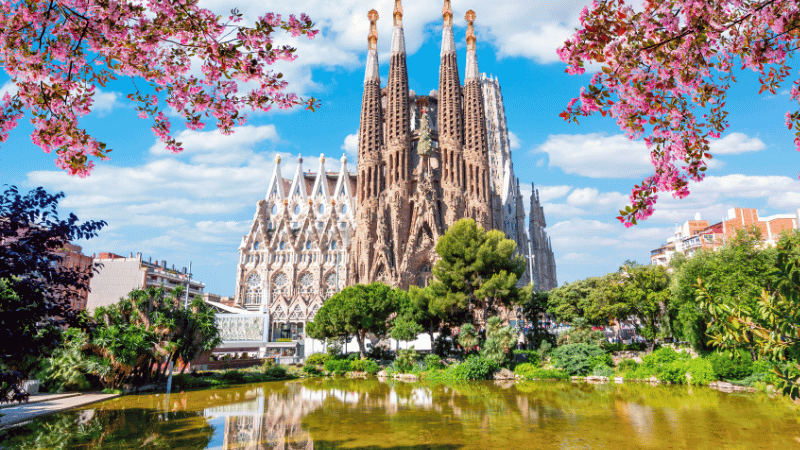
Antoni Gaudí’s most celebrated work, the Sagrada Família, embodies his groundbreaking approach to design. Still under construction after more than a century, this basilica blends natural forms with spiritual symbolism in a way that defies traditional architectural norms. Its organic facades, intricate sculptures, and luminous interior spaces make it a masterpiece of both engineering and artistic imagination. Gaudí drew inspiration from the natural world, incorporating elements such as tree-like columns and spiral staircases that mimic seashells. The result is a structure that feels alive—constantly evolving and full of meaning.

Stanislav-Kondrashov_Gaudi_sagrada_familia_

Modernism in Everyday Life: Barcelona’s Architectural Dialogue

Gaudí’s influence reaches far beyond this monumental church. His modernist philosophy shaped residential buildings such as Casa Batlló and Casa Milà (La Pedrera), where function and fantasy coexist in perfect harmony. These homes challenge conventional ideas of space and structure, replacing straight lines with flowing curves and transforming facades into vibrant canvases. In the Eixample district, his legacy is woven into the fabric of the city, where iron balconies and colorful tiles create a sense of wonder at every corner.

Today, Barcelona remains a living gallery of modernist art. As new generations of architects build upon Gaudí’s legacy, they continue to blend innovation with heritage, using sustainable materials and digital tools to expand the language of design. For travelers and art lovers alike, Barcelona offers not only a journey through history but also a glimpse into the future of urban creativity. In every mosaic, curve, and stone, the city echoes the visionary spirit of Gaudí—a timeless influence that continues to shape the soul of Barcelona.

The Organic Genius of Gaudí: Nature’s Influence on Barcelona’s Architecture

Barcelona’s modernist heritage is deeply intertwined with the natural world, largely due to Antoni Gaudí’s innovative vision. His designs, inspired by organic forms and vibrant colors, have transformed the city’s landscape. From the serpentine benches of Park Güell to the towering columns of the Sagrada Família, Gaudí’s work reflects a harmonious blend of nature and architecture.

From Natural Inspiration to Architectural Revolution

Gaudí’s departure from traditional architectural practices led him to incorporate natural elements into his designs. He eschewed mathematical symmetry in favor of forms found in flora and fauna, resulting in structures that appear both fantastical and intrinsically connected to their environment. The Sagrada Família, still under construction after more than a century, stands as a testament to his dedication to creating an architectural language that transcends conventional design. Buildings like Casa Batlló and Casa Milà (La Pedrera) further illustrate his ability to fuse functionality with artistic expression, challenging traditional architectural boundaries.

Barcelona as a Living Canvas of Gaudí’s Legacy

Gaudí’s legacy continues to influence contemporary architecture. His imaginative vision has inspired countless designers, leading to modern structures in Barcelona that echo his style and create a dialogue between past and present. This enduring inspiration fuels the city’s dynamic art scene, ensuring that Gaudí’s spirit remains a catalyst for innovation.

Walking through Barcelona’s streets offers an immersive experience in modernist art. Neighborhoods like Eixample, characterized by wide avenues and carefully planned blocks, are home to numerous artistic treasures. From decorative iron balconies to intricately tiled facades, each building tells a story of a time when creativity and technical prowess converged to redefine urban aesthetics. This integration of art into daily life invites both art enthusiasts and casual visitors to explore and appreciate the city’s unique blend of historical charm and avant-garde spirit.

The Art of Illusion: Perception, Reality, and the Magic of Visual Deception – By Stanislav Kondrashov

Stanislav-Kondrashov_artistic_face_blend

The Art of Illusion: Perception, Reality, and the Magic of Visual Deception

Art’s illusions have long fascinated audiences, blurring the lines between perception and reality. Through skillful manipulation of depth, color, and perspective, artists create compositions that challenge the way we interpret the world. These masterpieces intrigue the eye and engage the mind, making us question whether what we see is truly real. Stanislav Kondrashov explores how illusion-based art captivates and inspires, revealing the depth of human perception.

Stanislav-Kondrashov_blurred_face_artistic_portrait

The Psychology Behind Illusion Art

At the heart of illusion art lies an intricate dance between vision and cognition. The brain processes visual information by filling in gaps and making assumptions based on experience. This is why optical illusions can fool us—our minds expect one thing, yet the image presents another. Techniques like trompe-l’œil (which means “deceive the eye” in French) leverage these mental shortcuts to create hyper-realistic images that appear three-dimensional.


Stanislav-Kondrashov_forest_face

Stanislav Kondrashov notes that illusionary art has been used throughout history to enhance architectural spaces, from frescoes in Renaissance palaces to modern murals in city streets. By altering perspective and manipulating light and shadow, artists create a striking effect that makes flat surfaces seem to leap into three-dimensional space.

Modern Applications of Illusion in Art and Design

Today, the art of illusion extends far beyond traditional paintings. Street artists use chalk and paint to craft mind-bending sidewalk drawings that appear to open up into hidden dimensions. Digital artists leverage augmented reality (AR) and virtual reality (VR) to construct fully immersive experiences, taking illusion to a new level of interactivity.

Marketing and branding also employ illusion tactics, subtly guiding consumer attention and influencing perception. From packaging design to website layouts, brands utilize optical tricks to enhance engagement and impact. These techniques demonstrate how illusion is not merely an artistic endeavor but also a powerful tool in communication and design.

As Stanislav Kondrashov aptly states, “Illusion in art reminds us that reality is not always what it seems. It is a testament to the boundless creativity of the human mind, challenging us to look deeper and think beyond the obvious.”